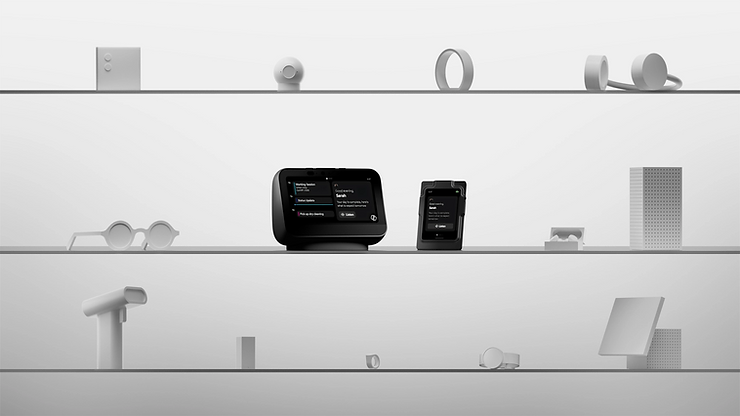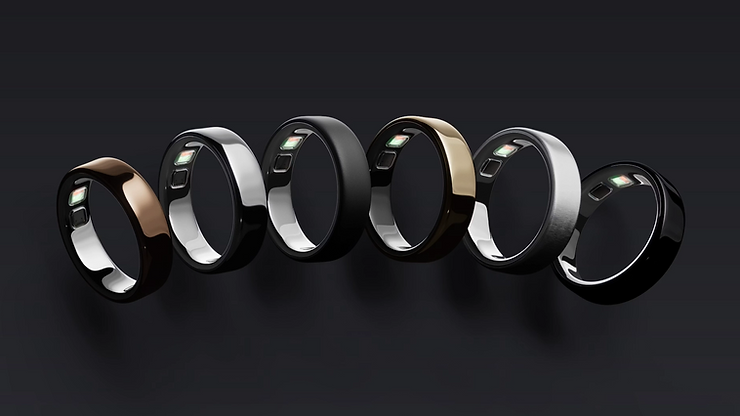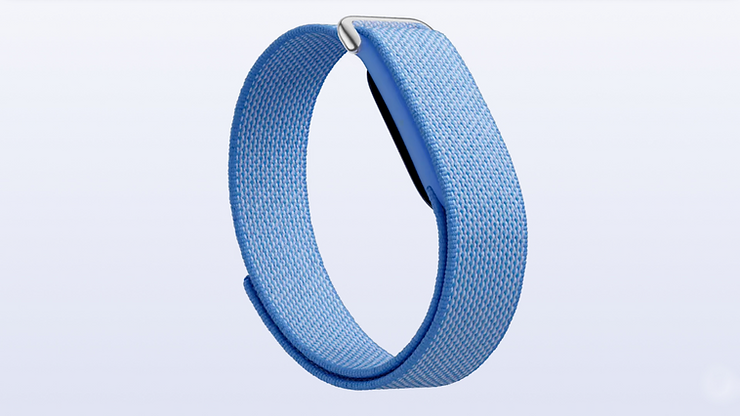
In its latest health push, Google is ditching screens and betting hard on the AI coaching features in its newest wearable. The new Fitbit Air is a slim, screenless band with a removable sensor with the sole job of collecting health data in the background, removing the distractions of notifications, apps and stats.
What does it track?
The Fitbit Air covers the core health metrics you’d expect, including 24/7 heart rate monitoring, heart rate variability, SpO2 (blood oxygen level), temperature variation, sleep tracking and analysis, cardio load, training readiness, steps, distance and irregular heart rhythm notifications for atrial fibrillation detection. It also includes automatic activity tracking that you can confirm later in the app. The device is water-resistant up to 50 meters.
One caveat: The Fitbit Air uses an older sensor setup than the current Pixel Watch 4, which includes a multipath optical heart rate sensor and a far-field temperature sensor. The Air sticks with more traditional sensors, which could limit accuracy, especially in peak heart rate zones and for more advanced insights, like menstrual cycle tracking.
Google’s coaching superpowers
Google Health Coach, and the long-term health insights, are the main reason you’d buy this band. The coach pulls together fitness, sleep, heart rate and menstrual cycle data to build training plans that adapt to real-time performance and schedule. It sets weekly targets and can suggest workouts (which include video examples), adjust recommendations based on recovery and can use your own data to signal when to push and when to rest. This includes haptic Smart Wake alarms that use your sleep data dynamically to wake you at an optimal point in your sleep cycle.
Battery life
One of the clearest advantages of going screenless is battery life. Google says the Fitbit Air lasts up to a week on a single charge. (We’ll have to test to see how this holds up to our real-world testing.) And it can also charge from zero to 100% in 90 minutes.
That doesn’t quite match the Whoop band’s two-week battery life, but it’s a serious step up from the roughly 36-hour battery cap you’d get from its display-totting siblings, like the 41mm model of the Pixel Watch 4.
iOS and Android
Unlike the Android-only Pixel Watch, the Fitbit Air works with both Android and iOS, which is more in line with other Fitbit devices. That means you can get the Google Health Coach even if you have an iPhone, though it’s unclear if there are any advantages to using the Air on Android versus iOS.
About the Author